 - On Sale NOW -
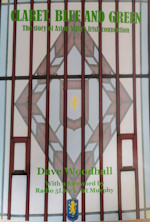
Claret Blue and Green The story of Aston Villa’s Irish connection
£9.99 plus postage
For ROW Postage please email iotp@heroespublishing.net
Recent Topics
Other Games - 2026 FIFA Men’s World Cup Edition (+ warm-up matches): Villa-watch by adrenachrome
[Today at 04:01:47 AM]
Summer 26 Transfer Window - hopes, speculation, rumours etc. by adrenachrome
[Today at 03:22:59 AM]
Tennis 2026 by Brazilian Villain
[Today at 01:38:08 AM]
Damian Vidagany - Director of Football by paul_e
[June 18, 2026, 11:48:35 PM]
England national team by john e
[June 18, 2026, 10:16:01 PM]
Villa Park Redevelopment by Mellin
[June 18, 2026, 09:44:01 PM]
The International Cricket Thread by paul_e
[June 18, 2026, 09:30:29 PM]
|
Pages: 1 ... 20 21 [ 22] 23 24 Go Down
 Author
Topic: Nottingham Forest v Aston Villa Post-Match Thread (Read 28041 times)
Author
Topic: Nottingham Forest v Aston Villa Post-Match Thread (Read 28041 times)
Pages: 1 ... 20 21 [ 22] 23 24 Go Up
|
|


